◈FIELDNOTES INDEPENDENT SECURITY GUIDE Jump to review
FIELD GUIDEISSUE 01 / 2026

Ledger.com/start:
Wallet Setup &
Security Blueprint

A clear, independent walkthrough for preparing a hardware wallet, recognizing a legitimate setup flow, and building habits that keep your recovery information yours.

Explore the blueprint ↓
READING TIME 07 MINFOCUS SELF-CUSTODY
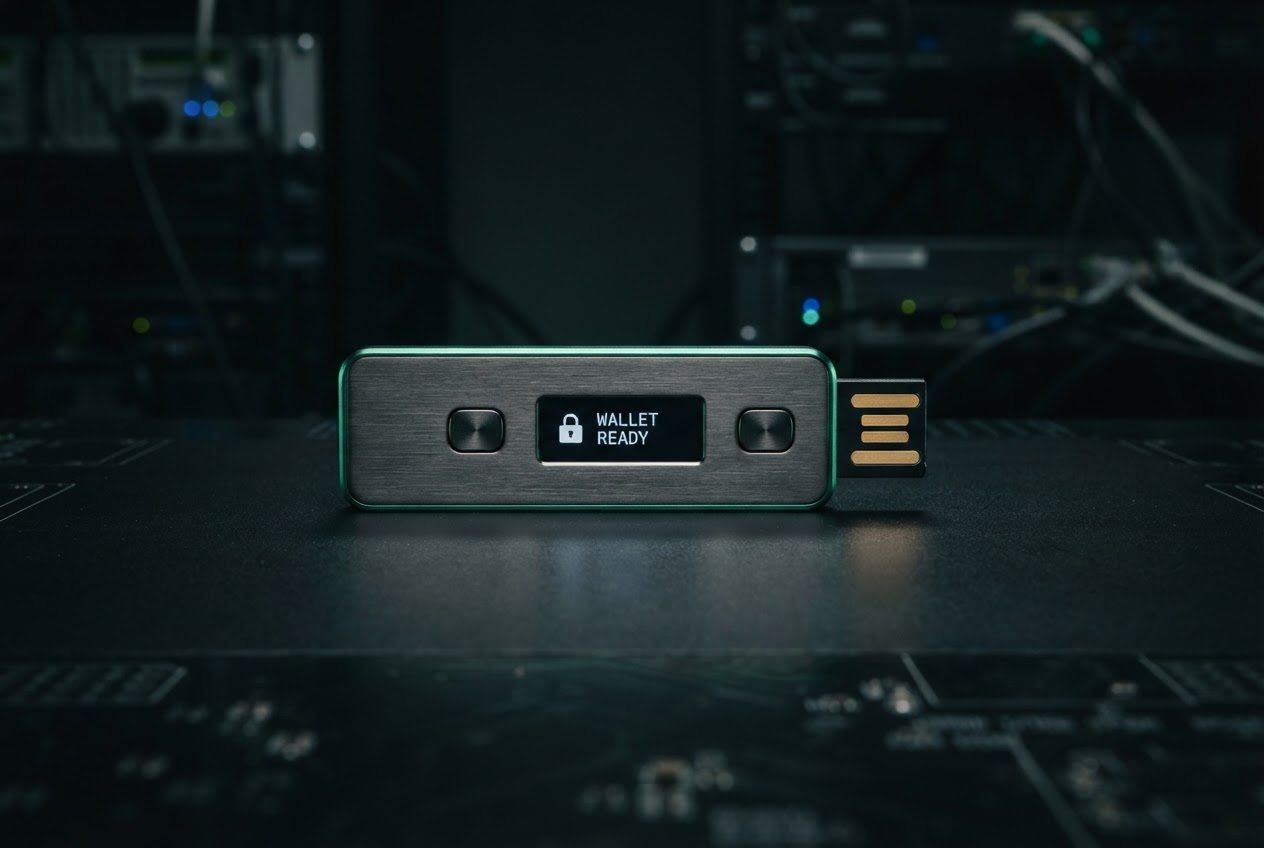
DEVICE STUDY FIG. 01
A dark graphite hardware wallet device photographed in a low-lit cybersecurity setting
HARDWARE WALLET / ILLUSTRATIVENOT A PRODUCT ENDORSEMENT
01 — 08
SEQUENCE / 01—05MOVE AT YOUR OWN PACE
01 / CONTEXT

The Starting Point

Searching for Ledger.com/start usually means you are ready to initialize a hardware wallet or want to understand the process before touching your assets. This page is an independent educational resource, not an official Ledger support page. It does not replace the instructions supplied with your device or the current guidance published by its manufacturer.

A hardware wallet is designed to keep private keys isolated from everyday internet-connected devices. It does not make every transaction safe automatically: you still need to verify what you approve, preserve recovery information carefully, and stay alert to impersonation. Think of setup as a security routine, not a race to reach a screen.

iNever share your recovery phrase with anyone—including someone claiming to be support.
02 / BEFORE YOU BEGIN

What to Prepare

Start with a calm, private place where you can focus without being watched or interrupted. Set aside the hardware wallet, its supplied recovery materials, and a computer or phone that you trust and keep updated. Use a stable internet connection and enough uninterrupted time to read every instruction on the device itself.

Locate the manufacturer's genuine setup route by typing a known address yourself or using a trusted bookmark you created earlier. Avoid sponsored search results, unsolicited links, QR codes in messages, and instructions from social media replies. A web address that looks almost right can still lead to a convincing imitation.

PRE-FLIGHT CHECKCHK / 02A
  • Private, distraction-free setup space
  • Trusted, updated companion device
  • Official instructions reached independently
03 / TRUST BOUNDARY

Understanding Device Verification

Verification is about establishing confidence that the device and its software are behaving as intended. Follow the manufacturer's current checks in its official companion application and compare what the application reports with the prompts on the physical wallet. Exact verification steps can differ by product and software version, so do not rely on a checklist copied from an old forum post.

Inspect packaging and the device for obvious signs of tampering, while remembering that packaging alone is not proof of authenticity. A legitimate setup should not require you to accept a recovery phrase supplied by a seller, scan a random QR code, or enter your secret phrase into a website. If anything appears preconfigured or unexpected, stop and contact support through a route you independently verified.

!

Trust the device display. Carefully compare transaction details on the wallet screen—not only on a computer or phone that malware could alter.

04 / INITIALIZATION

Building a Secure Setup Routine

Use the manufacturer's genuine application and let the device guide you through initialization. Choose the option to create a new wallet when appropriate; never adopt a phrase handed to you or preprinted on a card. The device should generate recovery information during the process. Read the on-screen instructions carefully and confirm actions on the physical device only when you understand what they mean.

Create a strong PIN that is difficult to guess and not reused from another account. Shield the device while entering it. Complete any verification or recovery check the official setup flow offers, taking time to confirm each word or selection. Before transferring meaningful value, learn how to receive, review, and send a small test transaction, checking the destination details on the device display.

SETUP PRINCIPLEROUTINE / 03

Pause at every confirmation. If a prompt differs from the instructions you deliberately opened, stop and investigate rather than guessing.

05 / KEY MATERIAL

Recovery Information

Your recovery phrase is a human-readable backup that can restore access to the wallet. Anyone who obtains it may be able to control associated assets, so treat it like the keys to a vault. Record it only using the method and materials recommended by the manufacturer, in private, checking each word and its order directly against the device.

Do not photograph, screenshot, email, message, or store the phrase in cloud notes, password managers, or a document on an internet-connected device. Do not type it into a website or share it with a person claiming to help. Keep the physical backup protected from loss, fire, water, and unauthorized access; consider your personal circumstances before deciding whether and how to create a second secure copy.

◈
SECURITY NOTES

Secrets stay offline.

NOTE / 05
01 / RECOVERY

Never disclose your recovery phrase, PIN, or private keys. Real support should not need them.

02 / LINKS

Ignore unexpected “urgent” messages and go to a service by a route you independently trust.

03 / APPROVALS

Read the physical wallet screen before approving any transaction or contract interaction.

04 / PAUSE

When pressured, confused, or asked to keep a setup secret, stop and verify separately.

06 / EVERYDAY PRACTICE

Security Habits That Matter

Security is a series of small, repeatable decisions. Keep your computer and phone updated, use a unique password and multifactor authentication for important online accounts, and download wallet software only from verified sources. Consider separating high-value long-term holdings from funds used for frequent activity, but understand the operational tradeoffs before changing your approach.

Be skeptical of unsolicited direct messages, fake giveaways, cloned support accounts, and warnings that demand immediate action. Bookmark trusted resources after verifying their address. Periodically check that your recovery backup remains readable and protected, without entering it into a device just to “test” it. Learn about phishing and transaction approval risks for the networks and applications you actually use.

07 / COMMON FAILURE MODES

Mistakes to Avoid

Common avoidable risks include entering a recovery phrase into a browser, choosing a phrase provided by another person, leaving a backup where visitors can see it, and rushing through a transaction confirmation. Another mistake is assuming a familiar logo, professional-looking website, or search ranking proves a page is genuine.

Do not let a caller or chat agent remotely control your computer while you access a wallet. Do not approve a transaction you cannot explain to yourself. And do not treat this guide—or any third-party article—as authority to override the live instructions for your exact device and software. If you suspect compromise, disconnect from the suspicious interaction and seek advice through independently verified official channels.

STOP SIGNAL

Any request for your recovery phrase is a reason to stop. Close the conversation and verify independently.

08 / READY CHECK

Final Security Review

Before considering setup complete, confirm the device was initialized through a trusted process, that you created your own PIN and recovery information, and that the recovery backup is private and physically protected. Check that you know how to find the manufacturer's current support resources without relying on an unsolicited link.

Take a moment to rehearse your response to a suspicious message: do not click, do not share secrets, and do not approve anything under pressure. Self-custody gives you control, but it also makes careful preparation important. Return to Ledger.com/start only through an address you have independently checked, and use product-specific official guidance for any step that remains unclear.

✓
SECURE SETUP IS A PRACTICE.Pause. Verify. Protect your recovery information.
↑

Independent educational resource. Not affiliated with, endorsed by, or an official support page for Ledger. Product details and setup flows may change; consult current manufacturer guidance.